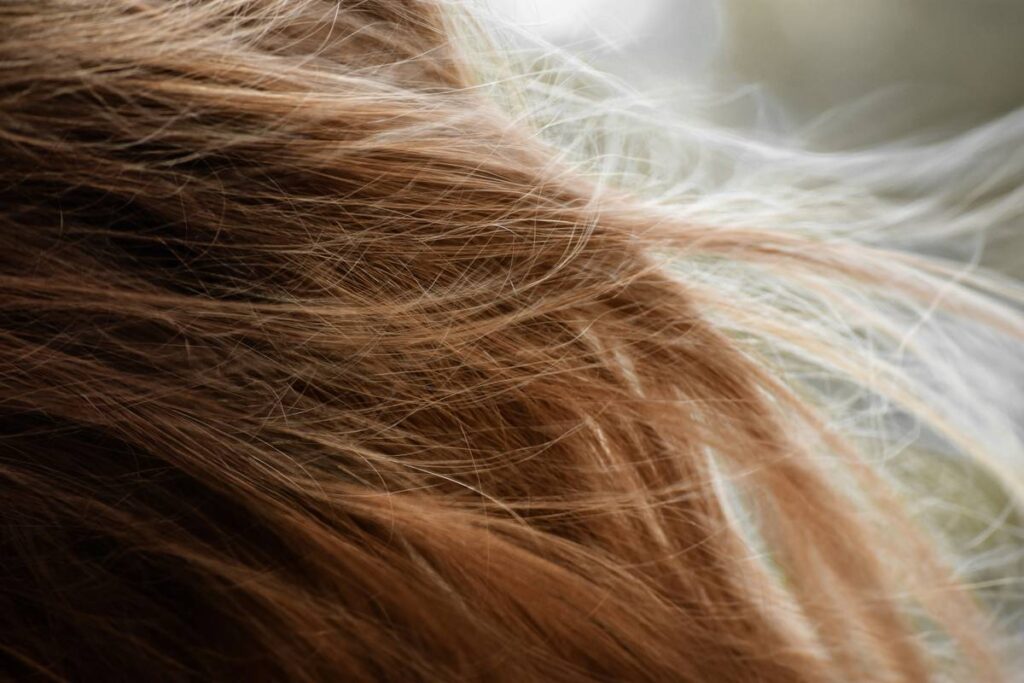
Flyaways. Static. That puff of humidity-induced chaos the second you step outside. You’ve slathered on every anti-frizz pomade promising sleek control—yet your hair rebels by noon. The problem isn’t just moisture in the air. It’s that most pomades are built for shine and hold, not frizz warfare. Here’s how to fix it—permanently.
The Frizz Trap Most Pomades Can’t Escape
Traditional pomades rely on waxes and petrolatum. They sit on the hair shaft like a raincoat—blocking nothing, trapping heat, and eventually melting into greasy strands that attract more dust and debris. Humidity exploits the tiniest gaps between cuticles. And once frizz starts, oil-based formulas make it worse. They don’t seal; they suffocate.
Water-based alternatives? Often too lightweight. They evaporate fast—taking your style with them. The result: midday frizz explosion.
How to Choose & Use an Anti-Frizz Pomade That Lasts All Day
Forget one-size-fits-all styling. Frizz control demands strategy—not just product.
Match Formula to Hair Type, Not Hype
Coarse, curly, or color-treated hair needs humectant blockers like glycerin-free polymers. Fine or straight hair? Look for lightweight silicones (like amodimethicone) that coat without weighing down. Avoid anything labeled “moisturizing” if you live in high humidity—it’ll backfire.
Prep Matters More Than Product
Apply your anti-frizz pomade to 80% dry hair—not soaking wet, not bone-dry. Dampness helps distribute evenly; dryness locks in shape. And never skip a leave-in conditioner with hydrolyzed proteins first. It patches cuticle gaps where frizz begins.
Application Technique Is Everything
Rub a pea-sized amount between palms. Then—press, don’t rake—onto mid-lengths and ends. Avoid the roots unless you’re chasing volume loss. Heat activates most polymers; a quick blast from a blow dryer seals the deal.
| Pomade Type | Best For | Frizz Control Rating (1-5) | Longevity |
|---|---|---|---|
| Oil-Based (Petrolatum) | Thick, coarse hair in dry climates | 2 | 8+ hours (but gets greasy) |
| Water-Based (Polymer-Heavy) | All hair types in moderate humidity | 4 | 6–8 hours |
| Hybrid (Silicone + Light Wax) | Fine to medium hair in high humidity | 5 | 10+ hours |
| Natural/Organic (Beeswax + Oils) | Low-porosity hair, eco-conscious users | 3 | 4–6 hours |
The Industry Secret: Frizz Isn’t About Moisture—It’s About Porosity
Here’s what no brand admits: frizz spikes when your hair’s cuticle layer is damaged—creating microscopic ridges that catch air and repel product. High-porosity strands absorb humidity like a sponge. Low-porosity hair rejects it, causing surface-level swelling. Most “anti-frizz” pomades ignore this entirely.
The fix? Layering. Start with a porosity-balancing pre-styler (think: rice water or quinoa protein mist). Then apply your anti-frizz pomade. This dual approach fills gaps *before* sealing them. Salons do it—but rarely sell the secret to clients.
Frequently Asked Questions
Can anti-frizz pomade work on curly hair?
Yes—if it’s polymer-based and silicone-enhanced. Avoid heavy waxes that clump curls.
How much anti-frizz pomade should I use?
Start with a pea-sized amount. Add more only if hair is thick or very long.
Does anti-frizz pomade cause buildup?
Only oil-based versions do. Water-soluble formulas rinse clean with regular shampoo.