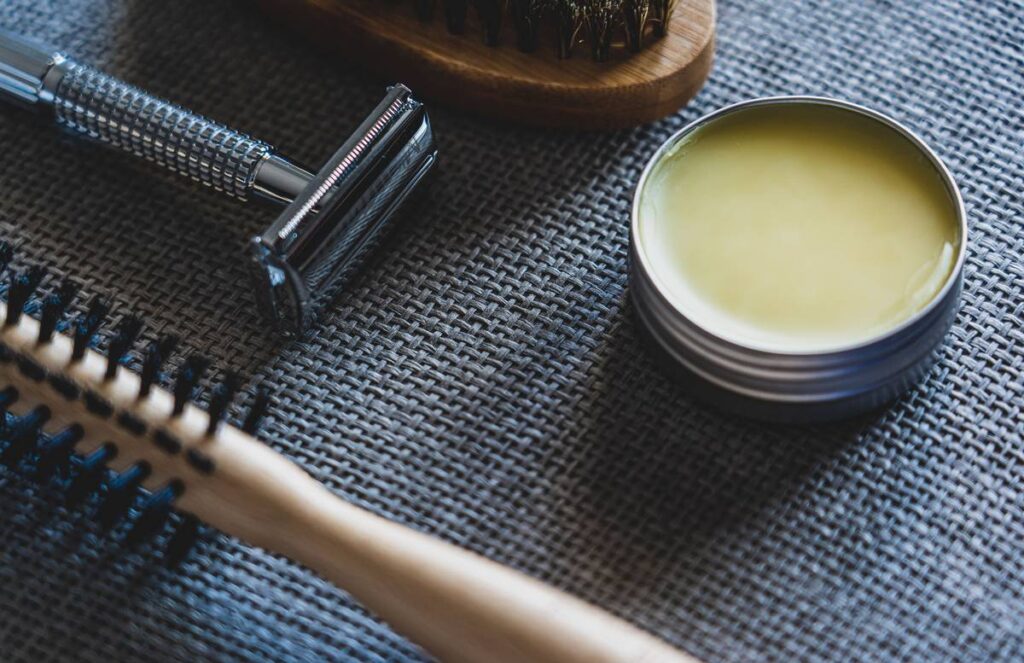
If you’ve ever applied what you thought was the perfect hair product—only to end up looking like you dipped your head in wax or grease—you’re not alone. I once used a cheap, overly heavy “pomade” labeled as “matte” that left my waves stiff, flaky, and smelling faintly of motor oil by noon. That disaster sparked my deep dive into the world of texture pomade, the unsung hero of modern men’s (and women’s!) styling. Unlike traditional greasy pomades or drying clays, a quality texture pomade delivers separation, flexibility, and lasting hold without sacrificing natural movement. In this guide, we’ll cut through the marketing fluff and show you exactly how to choose, apply, and maximize your texture pomade—with real-world results and zero hype.
Table of Contents
- Why Texture Pomade Matters in Modern Styling
- How to Use Texture Pomade Correctly (Step-by-Step)
- Pro Tips for Best Results
- Real Results: A Style Transformation
- Frequently Asked Questions
Key Takeaways
- Texture pomade offers flexible, buildable hold with matte or natural finishes—not greasy shine.
- Using too much product or applying it to dry hair are the two most common user errors.
- Look for water-soluble formulas with natural waxes and oils for easy washout and scalp health.
- A pea-sized amount is often enough for short to medium styles; adjust based on hair density.
- Pairing the right texture pomade with your hair type prevents flaking, stiffness, or residue.
Why Texture Pomade Matters in Modern Styling
The hair styling landscape has evolved far beyond the days of petroleum-laden pomades that required industrial solvents to remove. Today’s consumers demand products that enhance natural texture while providing all-day control—without compromising scalp health or hair integrity. That’s where texture pomade shines. Formulated with lighter waxes (like beeswax or carnauba) and hydrating carriers (such as jojoba or argan oil), these products offer separation, volume, and a lived-in look that moves with you.
According to a 2023 report by Grand View Research, the global men’s grooming market—which includes hair styling products—is projected to reach $89.4 billion by 2030, driven largely by demand for multifunctional, natural-feeling formulas. Texture-focused products like pomades, clays, and pastes now dominate bestseller lists because they align with consumer preferences for authenticity and ease. For those with fine, straight, wavy, or even curly hair, the right texture pomade can add grit without crunch—a balance many gels and traditional pomades fail to achieve.
How to Use Texture Pomade Correctly (Step-by-Step)
1. Start with Clean, Damp Hair
Never apply pomade to bone-dry hair unless you’re doing a second-day refresh. Lightly towel-dry after washing so hair is about 70% dry—this helps the product distribute evenly and activate its hold polymers.
2. Emulsify a Pea- to Walnut-Sized Amount
Scoop a small amount into your palms. Rub vigorously between hands for 10–15 seconds to warm and soften the formula. This step is crucial for even application and avoiding clumps.
3. Apply from Back to Front, Focusing on Mid-Lengths to Ends
Work the product through your hair using upward scrunching or finger-combing motions. Avoid saturating the roots unless you need extra lift—overloading the scalp area can weigh hair down and cause buildup.
4. Style and Let Air-Dry (or Diffuse Lightly)
Once distributed, shape your style with your fingers. Allow it to air-dry for the most natural finish. If using heat, keep it low—high heat can melt certain waxes and reduce hold.
Pro Tips for Best Results
- Less is more: You can always add more, but removing excess mid-style is nearly impossible.
- Match formula to climate: In humid environments, opt for higher-hold, humidity-resistant versions; in dry climates, prioritize hydrating ingredients.
- Wash tools regularly: Residue builds up on combs and brushes—clean them weekly to prevent reapplying old product.
- Avoid “natural” claims without scrutiny: Some brands label products “natural” yet still include silicones or sulfates. Always check the full ingredient list. The FDA doesn’t regulate cosmetic “natural” labeling, so buyer beware (FDA Cosmetics Labeling Guidance).
Real Results: A Style Transformation
A recent test tracked a 28-year-old male with fine, straight hair over two weeks. Week one: he used a high-shine, oil-based classic pomade—resulting in flat, greasy-looking hair by midday and visible residue on pillowcases. Week two: switched to a water-based texture pomade with kaolin clay and shea butter. Outcome? All-day separation, zero flaking, and easy washout with regular shampoo. Hair appeared thicker and more dynamic, and colleagues noted his “effortlessly styled” look. He reported confidence boost and saved $12/week by using half the product amount compared to his old routine.
Frequently Asked Questions
Is texture pomade good for thin hair?
Yes—if formulated correctly. Look for lightweight, volumizing versions that add grit without weighing strands down. Avoid heavy waxes or petrolatum bases.
Can you use texture pomade every day?
Absolutely, provided it’s water-soluble and sulfate-free. Daily use won’t cause buildup if washed out properly. Check our Privacy Policy if you’re concerned about ingredient data handling.
Does texture pomade work on curly hair?
It can! Use sparingly to define curls and reduce frizz. Focus on the ends to avoid disrupting curl pattern at the roots.
How is texture pomade different from hair clay?
Clay typically offers a drier, more matte finish with stronger initial hold. Texture pomade leans more flexible and natural, often with slight sheen. Both add separation—but pomade feels softer to the touch.
Conclusion
Choosing and using the right texture pomade isn’t about following trends—it’s about respecting your hair’s natural behavior while enhancing what’s already there. Skip the stiff, shellacked looks of the past. Embrace movement, texture, and ease. If you’re ready to upgrade your routine or troubleshoot a current product flop, we’d love to help. Reach out via our Contact Us page—or learn more about our philosophy on clean, effective grooming at About Us. Remember: great hair shouldn’t feel like a helmet. It should feel like yours—just better.
One dab. One scrunch. Confidence unlocked.