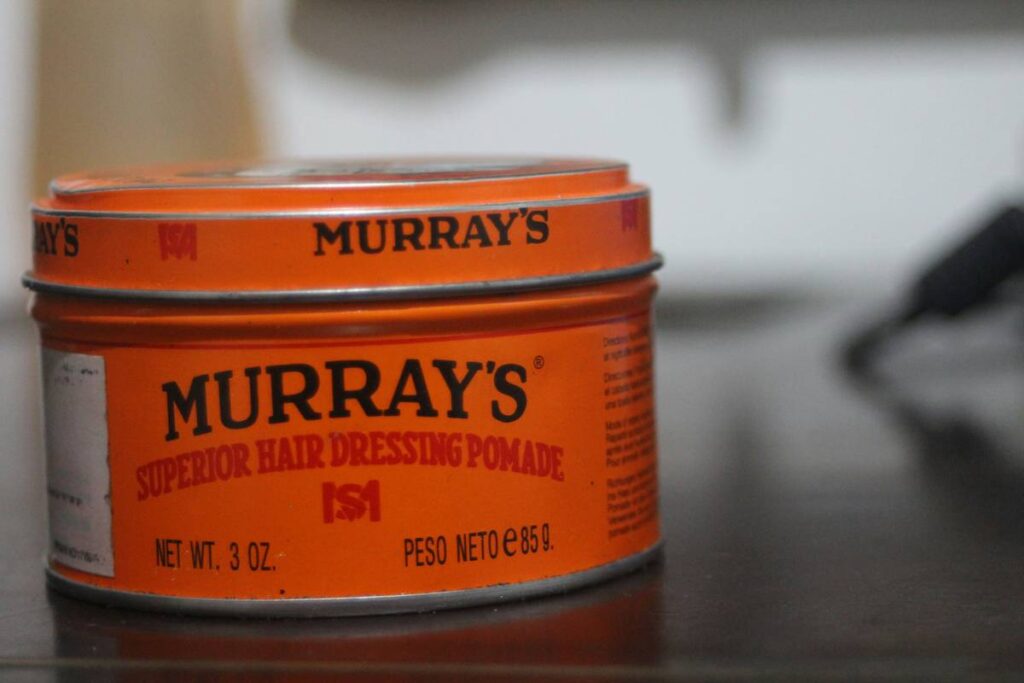
You style your hair in the morning—sharp part, slicked sides, zero flyaways. By noon? It’s limp, greasy, or worse: flaking like dandruff. Most “strong hold” pomades overpromise and underdeliver. They sacrifice shine for stiffness—or drown your scalp in wax you can’t wash out. The fix isn’t more product. It’s the right chemistry.
Why 90% of Strong Hold Pomades Fail by Lunchtime
Most brands chase one metric: maximum hold. Period. They load up on beeswax or petroleum until your hair feels like it’s been shellacked. But real-world wear isn’t static. Humidity shifts. Scalp oils migrate. Friction from collars and headphones chips away at rigidity. And here’s the kicker—those heavy waxes don’t bond with hair; they just coat it. Once that outer layer cracks? Game over.
And don’t get me started on water-based formulas that claim “all-day hold.” Many evaporate within hours, leaving behind a brittle residue that snaps under pressure—not bends. You need elasticity, not concrete.
How to Choose and Use a True Strong Hold Pomade
Water-Based vs. Oil-Based: Know Your Battlefield
Oil-based pomades (petroleum, lanolin) offer slickness and longevity—but demand serious cleansing. Water-based versions rinse clean but often lack staying power. The sweet spot? Hybrid formulas with PVP/VA copolymers—they dry flexible yet lock down strands without suffocating them.
Application Technique Matters More Than Brand
Apply to towel-dried—not soaking wet—hair. Too much moisture dilutes hold. Too little, and the product won’t distribute evenly. Work a nickel-sized amount between palms, then press—not comb—into hair. This preserves natural texture while anchoring strands. Reheating with a blow dryer for 10 seconds post-application? That’s the pro move nobody talks about.
Reapplication Strategy for 12+ Hour Days
If you’re facing back-to-back meetings or humid climates, carry a travel tin. Dab a rice-grain amount onto fingertips and spot-treat trouble zones—cowlicks, temple lifts—without reloading your whole head. Less is more after the initial set.

| Type | Hold Strength | Shine Level | Washout Ease | Best For |
|---|---|---|---|---|
| Traditional Oil-Based | 8/10 | High | Hard (requires clarifying shampoo) | Vintage styles, low-maintenance days |
| Modern Water-Based | 6/10 | Low-Medium | Easy (rinses with water) | Daily wear, fine hair |
| Hybrid Polymer Formula | 9/10 | Medium-High | Medium (gentle shampoo) | Strong hold pomade users needing all-day resilience |
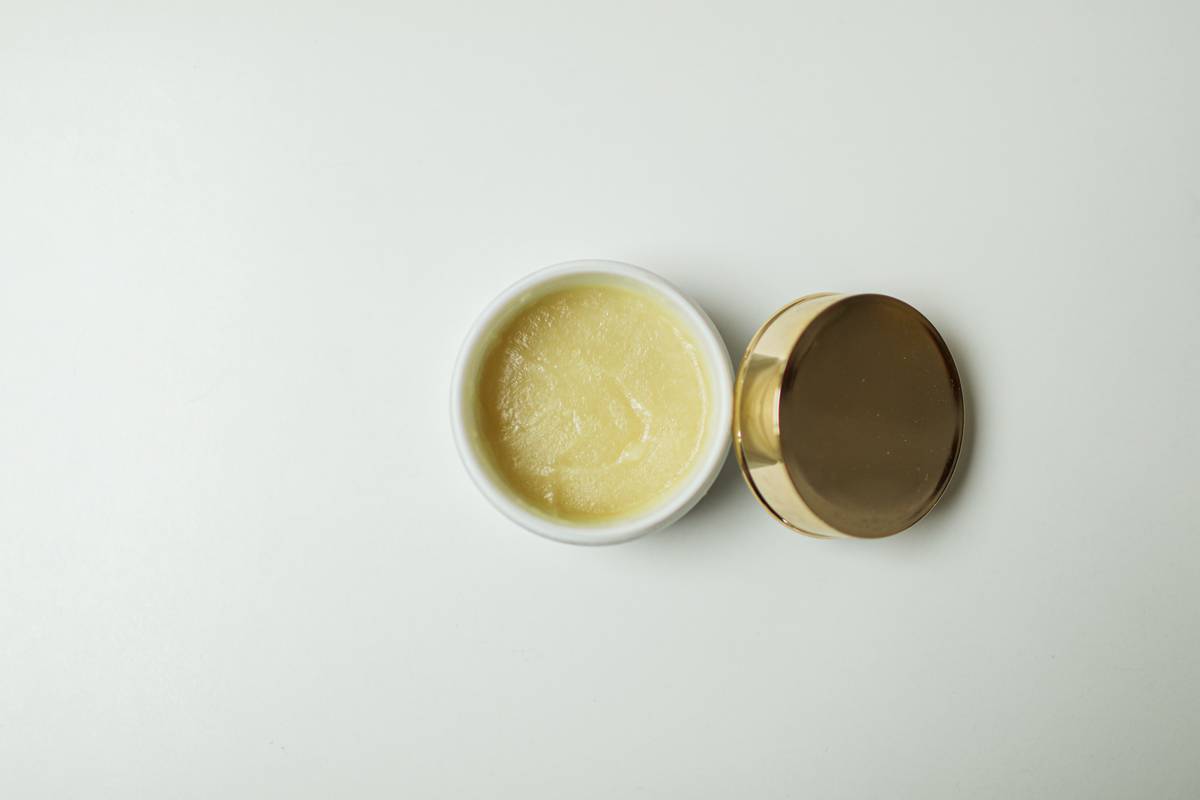
The Industry Secret: Hold Isn’t About Hardness—It’s About Memory
Top labs stopped chasing “maximum rigidity” years ago. The breakthrough? Shape-memory polymers. These molecules stretch under stress—like wind or sweat—then snap back to their original alignment. That’s why some pomades look slightly softer in the tin but outperform brick-hard competitors in real life. The math is simple: flexibility + adhesion = endurance. Most brands won’t admit this because it undermines their “rock-solid” marketing. But if your pomade doesn’t flex, it fractures.
FAQ
Does strong hold pomade cause hair loss?
No—if formulated correctly. Avoid pomades loaded with sulfates or drying alcohols. These can irritate the scalp over time. A quality strong hold pomade with nourishing oils (jojoba, argan) actually protects hair.
Can I use strong hold pomade on curly hair?
Absolutely. Use sparingly to define curls without crunch. Look for water-soluble formulas to avoid buildup in coils.
How do I remove strong hold pomade completely?
For oil-based: use a pre-shampoo oil treatment, then clarifying shampoo. For hybrids: regular sulfate-free shampoo works in two lathers.