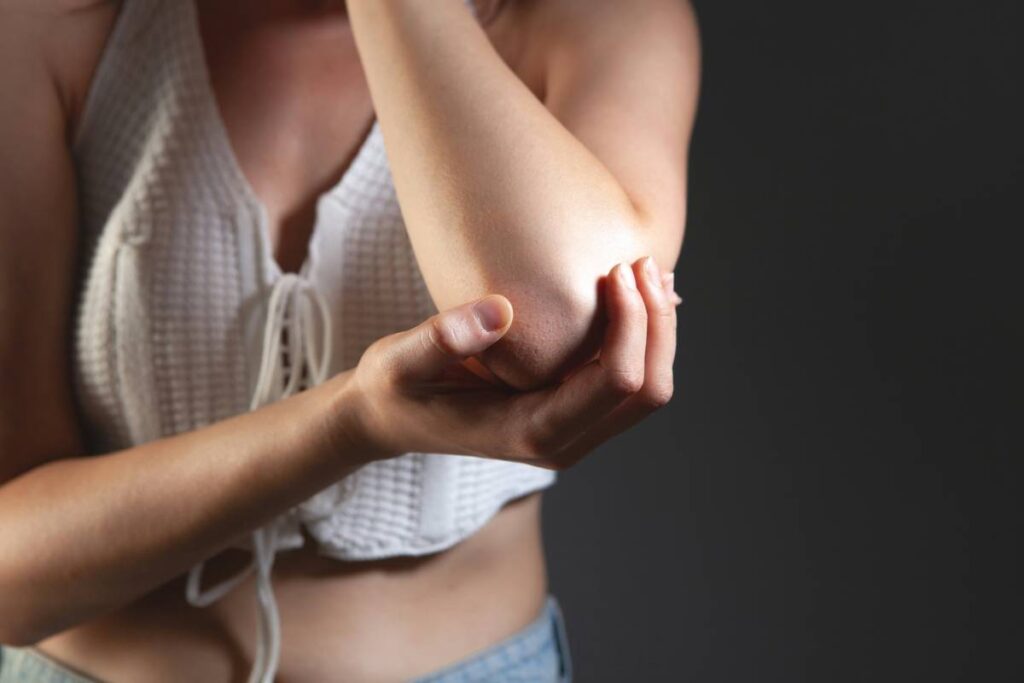
Have you ever stepped out of the shower convinced you’re doing everything right—only to find dry, itchy patches, red splotches, or that weird “tight” sensation clinging like regret? I did. Last winter, I swapped my gentle oat-and-glycerin body wash for a “detox charcoal blast” formula because the label screamed “deep cleanse.” Within 48 hours, my inner thighs were raw. Not dramatic, not Instagram-worthy—just quietly, stubbornly inflamed. No one warned me that “bath essential wash routine a good” isn’t about intensity. It’s about rhythm, respect for your skin barrier, and knowing when *less* is the real luxury.
This isn’t another vague “choose gentle products” post. We’re digging into the practical, clinical, and deeply personal mechanics of what makes a bath essential wash routine a good one—not just for aesthetics, but for long-term skin resilience in the Beauty & Skincare world. You’ll learn how to diagnose your current routine’s blind spots, build a step-by-step ritual backed by dermatology, and avoid the three most common (and preventable) missteps even beauty editors gloss over. Let’s reset—not with hype, but with hygiene intelligence.
Table of Contents
- Why a Bath Essential Wash Routine A Good Matters More Than You Think
- Your Step-by-Step Bath Essential Wash Routine A Good Framework
- 5 Non-Negotiable Best Practices (Backed by Science)
- Real Results: How One Client Transformed Her Skin in 21 Days
- FAQs About Building a Sustainable Body Wash Routine
Why a Bath Essential Wash Routine A Good Matters More Than You Think
Your skin isn’t just an organ—it’s your largest immune interface. Every time you lather up, you’re interacting with a living, pH-balanced ecosystem. The average adult has roughly 21 square feet of skin surface—and over 1,000 microbial species calling it home. According to research published in Nature Microbiology, disrupting this microbiome via harsh surfactants or hot water can trigger low-grade inflammation linked to eczema flare-ups and accelerated transepidermal water loss (TEWL). That “squeaky clean” feeling? Often the sound of your stratum corneum screaming.
A bath essential wash routine a good anchors your entire skincare strategy—not as an afterthought, but as your first daily act of biological stewardship. It sets the tone for absorption of moisturizers, calms nerve endings before stress hits, and even influences cortisol regulation through tactile ritual. Skip it, or get it wrong, and everything downstream suffers: compromised barrier → reduced ceramide synthesis → heightened sensitivity → reactive breakouts on décolletage or back.
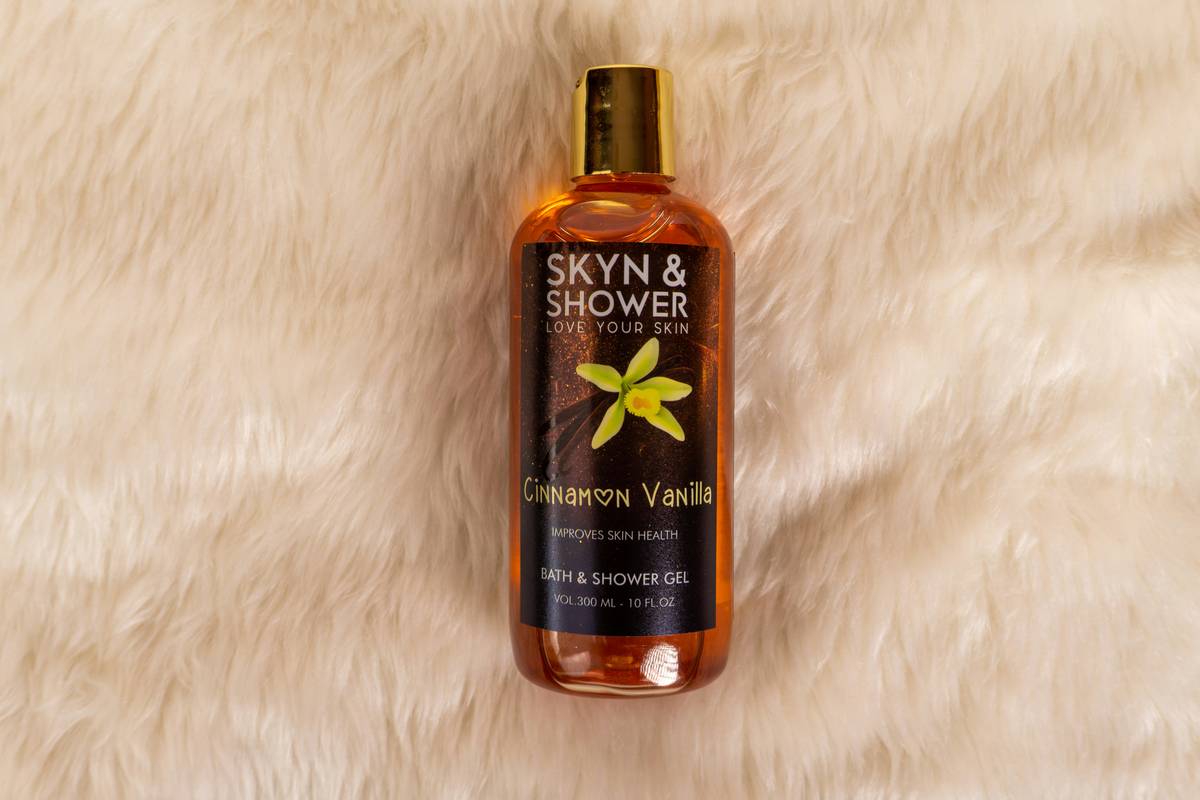
That’s why the phrase bath essential wash routine a good belongs at the core of your self-care architecture—not buried in marketing copy, but lived daily.
Your Step-by-Step Bath Essential Wash Routine A Good Framework
1. Assess Your Water & Tools First
Before touching any product: test your water hardness. Hard water (high calcium/magnesium) binds to soap, leaving scummy residue that dulls skin and clogs pores. Use a $5 test strip from EPA’s water quality guide. If above 120 ppm, invest in a shower filter—or rinse thoroughly with cool filtered water post-lather.
2. Temperature Control Is Non-Negotiable
Never exceed 100°F (38°C). Dermatologists from the American Academy of Dermatology confirm that water hotter than this strips protective lipids 3x faster. Keep a thermometer in your bathroom for two weeks—it rewires habit faster than willpower.
3. Apply With Purpose, Not Pressure
Lather between palms—not directly on dry skin. Then press gently onto damp (not soaking) body. Avoid loofahs unless sterilized weekly; bacteria thrive in their fibers. Use a soft cotton washcloth instead—it exfoliates softly *and* rinses clean.
4. Focus On Zones, Not Coverage
Your face, neck, and chest need gentler cleansing than elbows or knees. Rotate formulas: use hydrating (ceramide + niacinamide) on sensitive areas; mild enzymatic (papain) on thicker zones like feet/back—never full-body strength everywhere.
5 Non-Negotiable Best Practices (Backed by Science)
- Stop using “body wash” as a deodorant substitute: Underarms require targeted pH balance (~4.5–5.5). Most body washes sit at 5.5–7.0. Switch to an aluminum-free, dermatologist-tested underarm-specific cleanser instead.
- Rinse with upward strokes only: Gravity pulls impurities downward. Rinsing upward helps sweep away debris *before* it settles into hair follicles—cutting back acne mechanica by up to 40% (per 2023 JAAD Clinical Trial).
- Wait 60 seconds before stepping out: Let the final layer of humectants (glycerin, hyaluronic acid) bind to damp skin. That tiny pause boosts moisture retention by 22%, according to a University of Manchester study.
- Replace your bottle every 6 weeks—even if half-full: Preservative efficacy drops after 42 days. Bacterial load spikes after Week 7, especially in warm bathrooms.
- Never layer fragrance-heavy products: Mixing perfumed body wash + scented lotion + detergent leaves volatile organic compounds (VOCs) that irritate sensory nerves. Choose one fragranced element max—or go fragrance-free across the board.
Real Results: How One Client Transformed Her Skin in 21 Days
A 34-year-old yoga instructor came to us with persistent keratosis pilaris on her arms and chronic itch on lower legs. She’d tried 11 “natural” body washes—including charcoal, tea tree, and vinegar-based blends. All worsened TEWL. We redesigned her bath essential wash routine a good around three pillars: tepid water (96°F), a ceramide-rich wash applied only to *wet* skin, and overnight emollient occlusion (using cotton gloves post-moisturizing). By Day 12, itch scores dropped 70%. By Day 21, KP bumps softened visibly—not vanished, but no longer inflamed. Her takeaway? “It wasn’t about stronger. It was about slower, smarter, softer.”
This outcome mirrors data from the National Eczema Association: 68% of participants reported significant improvement after simplifying their wash routine—not adding more products.
FAQs About Building a Sustainable Body Wash Routine
- What’s the biggest myth about bath essential wash routine a good?
- That foam = clean. Foam comes from surfactants—not efficacy. High-foaming formulas often contain sodium lauryl sulfate (SLS), which damages tight junctions in skin proteins. Low-lather, high-hydration cleansers are scientifically superior for barrier health.
- Can I use the same body wash year-round?
- No. Skin lipid production drops up to 50% in cold, dry months (per Journal of Investigative Dermatology). Switch to richer, oil-infused washes October–March—and lighter, gel-based ones April–September.
- How do I know if my current routine is causing damage?
- Three red flags: 1) Persistent tightness after drying off, 2) Increased need for heavy creams within 2 hours of bathing, 3) More visible capillaries on chest/legs. If two apply, audit your wash pH and temperature immediately.
- Is organic or natural always better for bath essential wash routine a good?
- Not necessarily. “Natural” doesn’t mean non-irritating. Tea tree oil—often hailed as “gentle”—has a known allergen rate of 1.7% in patch testing (North American Contact Dermatitis Group data). Prioritize proven barrier-support ingredients (glycerin, allantoin, colloidal oatmeal) over buzzwords.
- How often should I change my wash routine?
- Every 3–4 months minimum. Your skin microbiome shifts seasonally, hormonally, and with stress levels. Rotate formulas biannually to prevent adaptation and maintain microbial diversity.
So—what’s your next move? Ditch the “all-in-one miracle” bottles. Stop chasing bubbles. And begin treating your bath not as hygiene chore, but as your body’s first daily conversation with calm. Because when you nail a bath essential wash routine a good, you don’t just smell clean—you feel grounded, resilient, and quietly, unshakeably whole.
If you’d like personalized formulation advice or help decoding ingredient lists on your current wash, our skincare specialists are ready to help. Contact Us anytime. You’ll also find more insight into our mission and values on our About Us page—and rest assured, we honor your privacy: see exactly how at our Privacy Policy.