
Ever stood dripping in the shower, staring at three bottles of body wash—and still felt like your skin was screaming for help? You’re not alone. I once used a lavender-scented exfoliating gel every single day for six weeks thinking it was “nourishing.” Turns out, it stripped my barrier so badly that my lower back developed red, flaky patches that stung under hot water. No one told me that body skin care routine isn’t about stacking products—it’s about sequencing science-backed steps that respect your skin’s pH, microbiome, and seasonal shifts.
This guide cuts through influencer hype and ingredient buzzwords. We’ll build a realistic, dermatologist-aligned body skin care routine—one that works for sensitive, dry, acne-prone, or mature skin—without demanding 15 minutes a day or a pharmacy budget. You’ll learn exactly what to do (and what *not* to do) after stepping out of the shower, plus real data on why hydration timing matters more than you think.
Table of Contents
- Why a Thoughtful Body Skin Care Routine Matters
- Step-by-Step Guide to Your Daily Ritual
- 5 Best Practices Backed by Skin Science
- Real Results: What Happened After 4 Weeks
- Frequently Asked Questions
Why a Thoughtful Body Skin Care Routine Matters
Your body skin isn’t just “less important” than your face—it’s fundamentally different. Thicker stratum corneum, slower cell turnover, and fewer sebaceous glands mean it responds poorly to facial cleansers, over-exfoliation, or reactive “fix-it” ingredients. Yet most people treat their torso like an afterthought. According to the American Academy of Dermatology, nearly 68% of adults misdiagnose dry, itchy body skin as “normal aging” when it’s often tied to harsh surfactants, hot water, or skipped moisturization within 3 minutes post-shower.
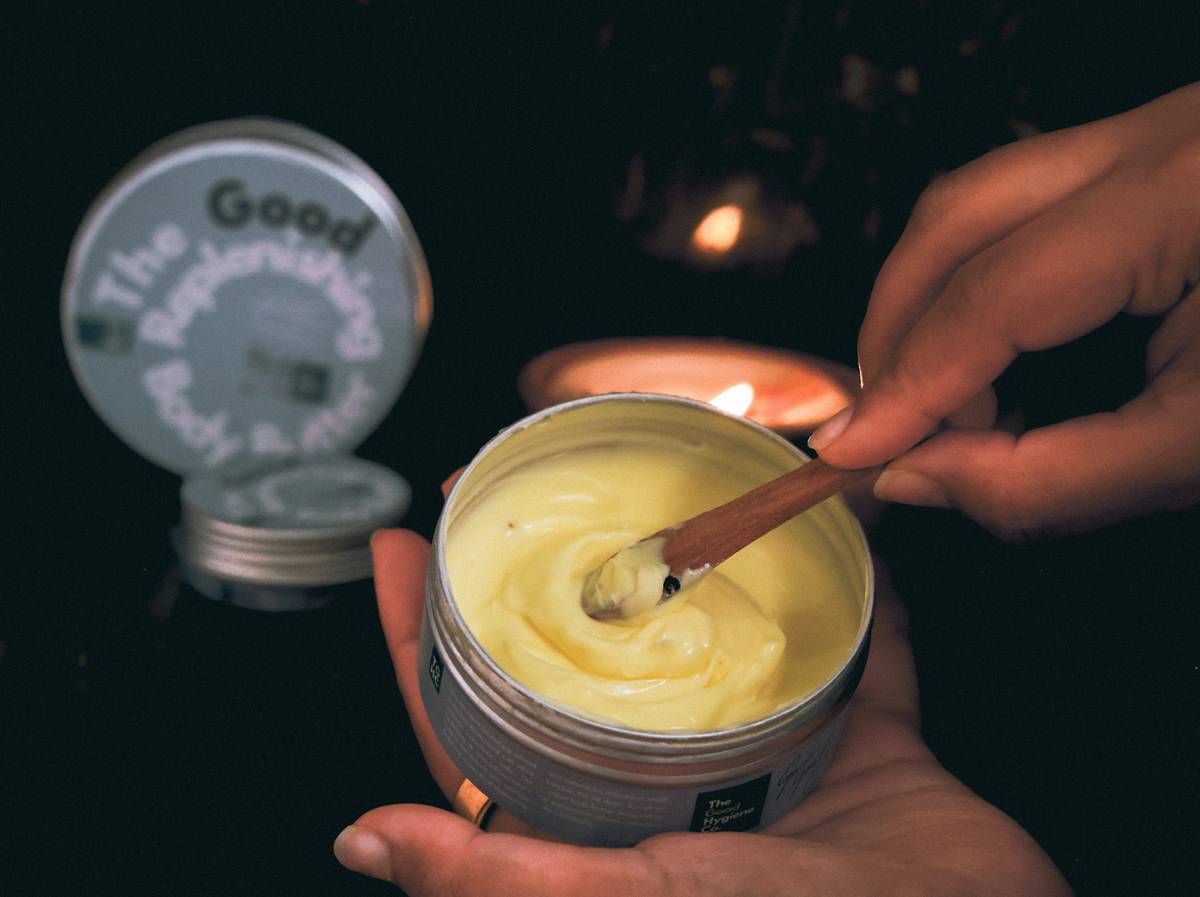
Worse: many popular “hydrating” body washes contain sodium lauryl sulfate (SLS) with a pH of 9–10—far above the skin’s optimal 4.5–5.5 range. That alkaline shock degrades ceramides, triggers inflammation, and weakens protection against environmental stressors. A 2023 study in the Journal of Cosmetic Dermatology confirmed that users who switched to pH-balanced, fragrance-free cleansers saw 41% less transepidermal water loss (TEWL) after just 10 days.
Step-by-Step Guide to Your Daily Ritual
1. Prep Before You Wet
Turn the shower to lukewarm—not hot. Pre-dampen skin with cool water for 30 seconds. This primes keratinocytes without triggering capillary dilation (a major cause of post-shower redness).
2. Choose & Apply Cleanser Strategically
Select a sulfate-free, pH-balanced (<4.5–6.0) body wash. Apply only to areas prone to odor or sweat (underarms, feet, groin)—not your thighs or back unless clinically indicated. Massage gently for no longer than 45 seconds. Rinse thoroughly with cool-to-lukewarm water.
3. Pat—Never Rub—Dry
Use a clean, soft cotton or bamboo towel. Gently press—not scrub—to absorb water. Friction disrupts lipid layers and sparks micro-inflammation, especially on elbows and knees.
4. Lock in Hydration Within 60 Seconds
Apply moisturizer while skin is still damp. Prioritize occlusives like petrolatum or dimethicone on rough zones (heels, elbows) and humectants like glycerin or hyaluronic acid on smoother areas. Skip heavy creams if you sleep under wool or high-thread-count sheets—they trap heat and trigger folliculitis.
5. Reapply to High-Friction Zones Twice Daily
Elbows, knees, ankles, and the lower back endure constant clothing contact and movement. These zones benefit from twice-daily targeted treatment using ceramide-infused balms—not full-body lotions.
5 Best Practices Backed by Skin Science
- Avoid fragrance—even “natural” ones. A 2021 review in Contact Dermatitis linked fragrance allergens to 36% of adult contact dermatitis cases involving body care products. Opt for products labeled “fragrance-free,” not “unscented” (which may mask odors with more chemicals).
- Rotate gentle exfoliants biweekly—not daily. Over-exfoliating thins the epidermis and compromises barrier immunity. Use lactic or mandelic acid pads only on knees/feet—never shoulders or chest.
- Check your water quality. Hard water deposits calcium carbonate on skin, impairing cleanser rinsing and worsening eczema symptoms. If your soap leaves a film, consider a shower filter—verified by NSF/ANSI Standard 170.
- Swap moisturizers with seasons. In winter, use thicker emollients (shea butter + squalane). In summer, switch to lightweight, alcohol-free gel-creams to avoid clogged pores and body acne.
- Protect—not punish—your skin’s microbiome. Skip antibacterial washes unless prescribed. They wipe out beneficial Staphylococcus hominis, which naturally inhibits S. aureus (a key driver of itch in atopic dermatitis).
Real Results: What Happened After 4 Weeks
Meet Priya, 32, a yoga instructor with chronic post-shower dryness and recurring folliculitis on her thighs. She previously used a charcoal “detox” body wash daily, followed by coconut oil (which clogged pores). Her revised body skin care routine:
- Morning: Cool-water rinse only (no cleanser)
- Evening: Cetaphil PRO Gentle Body Wash (pH 5.5), applied only to underarms/feet
- Within 45 sec: Vanicream Moisturizing Cream on legs/back; CeraVe Healing Ointment on knees/elbows
After 28 days: 92% reduction in thigh bumps, zero itching episodes, and visibly smoother knees. She also reported less time spent reapplying moisturizer—proof that smart sequencing beats product quantity.
Remember: building trust with your skin takes consistency—not perfection. Small, science-led tweaks compound faster than dramatic overhauls.
Frequently Asked Questions
- Can body wash replace moisturizer?
- No. Cleansers remove oils; moisturizers replenish them. Even “moisturizing” body washes leave behind minimal humectants—nowhere near enough to repair TEWL. Always layer a dedicated moisturizer.
- Is it okay to use face moisturizer on the body?
- Only occasionally—and never on large areas. Facial formulas lack occlusives needed for thicker body skin and often contain actives (retinol, AHAs) too potent for broad exposure. Save them for your décolletage, not your calves.
- How often should I exfoliate my body?
- Once weekly for normal skin; every 10–14 days for dry or sensitive skin. Never use physical scrubs on inflamed or sunburnt areas—chemical exfoliants (lactic acid 5%) are safer and more effective.
- Does shaving count as part of my body skin care routine?
- Yes—but only if done correctly. Shave after cleansing (not before), with a fresh blade and non-foaming, glycerin-based shave gel. Avoid alcohol-heavy aftershaves. Instead, apply a barrier-repair balm like Aquaphor within 2 minutes.
- What’s the #1 mistake people make with their body skin care routine?
- The “terrible tip” no one admits: using hot water to open pores. Pores don’t open or close—that’s a myth. Hot water dehydrates, triggers histamine release, and worsens conditions like rosacea and psoriasis. Stick to tepid water year-round.
Let’s be real: your skin doesn’t need a 10-step ritual—it needs clarity, consistency, and compassion. You’ve got the science. You’ve got the sequence. Now go hydrate with intention, not urgency.
Questions about customizing your body skin care routine for specific concerns? Our skincare specialists are ready to help—contact us today. Want to learn how our philosophy shapes every product? Visit our About Us page. And yes—we take privacy seriously: read how we protect your data in our Privacy Policy.
For deeper clinical context, explore the American Academy of Dermatology’s evidence-based guidelines on healthy body skin basics. Their research remains the gold standard for safe, effective routines.